
DAMAC Property Quality in Dubai – Built to Impress
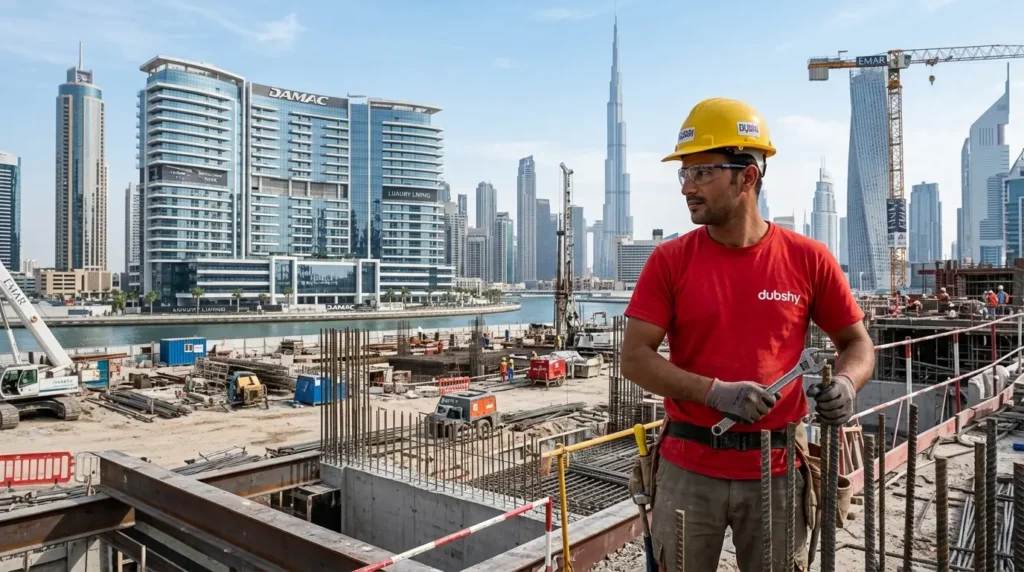
DAMAC Property Quality in Dubai: What Snagging Data Shows Updated 8 October 2026Developer Comparison9 min read DAMAC and Emaar are both giants that have shaped Dubai’s skyline. When buyers ask which one has better quality at handover, we do not answer from the brochure. We answer from what our snagging engineers find inside real units, on real handover days, across real projects. In our data, DAMAC units typically show 25 to 40 snags each, against 15 to 22 for Emaar. DAMAC vs Emaar at a glanceDubshy inspection data DAMAC snags per unit 25 to 40 on average Emaar snags per unit 15 to 22 on average Defect Liability Period 1 year finishing, 10 years structural Book your inspection At least 1 week before handover In this guide What snagging data measures DAMAC: what we find Emaar: what we find Head-to-head comparison Why the numbers matter Does luxury branding mean quality? What smart buyers do FAQs At Dubshy, we have completed thousands of pre-handover inspections across Dubai, including DAMAC towers in Business Bay, DAMAC Hills villas, and Emaar apartments in Dubai Creek Harbour, Downtown and Arabian Ranches. This article explains what that data shows about DAMAC property quality, how it compares to Emaar, and what it means for you as a buyer. What Does Snagging Data Actually Measure? To compare fairly, you first need to know what a professional snagging inspection covers. When our engineers take over a new unit, they check: Structure. Walls, ceilings, floors, windows and doors. MEP systems. Mechanical, electrical and plumbing. Finishing quality. Paint, tiling, grouting, cabinetry and fixtures. Outside spaces. Balconies, terraces, entrance doors and communal areas. HVAC. AC installation, drainage pipes and airflow calibration. Every defect is logged, photographed and graded by severity. The number and type of snags per unit tell us a lot about how a developer manages construction quality and subcontractor oversight. DAMAC Property Quality in Dubai: What We Find DAMAC Properties has delivered some of Dubai’s best-known luxury developments, including DAMAC Hills, DAMAC Lagoons, Aykon City and many towers across Business Bay and JLT. The branding is premium and the amenities are often extraordinary. The question is what the unit looks like inside at handover. Our data consistently places DAMAC at the higher end of the defect range across Dubai developers, at 25 to 40 snags per unit. That does not make the properties uninhabitable, as many defects are minor or moderate, but buyers need to go in prepared. The most common defects we document are: Paint finish. Uneven coverage, drip marks and missed patches, especially in corners and ceiling joins. Cabinetry alignment. Kitchen and wardrobe doors that do not sit flush or close properly. Plumbing fittings. Loose or incorrectly installed fixtures, and sealant gaps around joints. AC drainage. Condensate pipes that are misaligned or drain into the wrong areas. Electrical outlets. Sockets not flush with the wall, or covers cracked during installation. Tile grout. Uneven or incomplete grouting in bathrooms and kitchens. MEP systems draw particular attention. DAMAC developments tend to have complex, high-spec mechanical and electrical setups, especially in branded residences and larger villa communities. When these are not properly commissioned beforehand, the issues are costly to fix after you move in. The gap is narrowing DAMAC’s quality has improved noticeably in projects delivered in 2024 and 2025 compared with those handed over in 2020 to 2022. Based on our current data, the gap has narrowed but not closed. Emaar Property Quality in Dubai: What We Find Emaar is Dubai’s largest developer by volume and delivery track record. In 2024 alone it handed over 12,789 units across Downtown Dubai, Dubai Creek Harbour and Arabian Ranches. At that scale, Emaar’s system of pre-approved contractor panels with on-site quality auditors shows up in our data. Emaar units typically produce 15 to 22 snags. That is still meaningful, which is why independent snagging matters even for premium Emaar homes, but it is significantly lower than comparable DAMAC units. The most common defects are: Fit and finish. Minor paint scuffs, small skirting gaps and misaligned switch plates. HVAC calibration. AC systems that need adjusting for room-specific airflow. Minor tile alignment. Small variations in tile spacing in wet areas. Window seal gaps. Especially in high-floor apartments exposed to stronger wind pressure. Emaar’s defects tend to be shallower: mostly surface finishing rather than systemic MEP or structural problems. Surface defects are quicker and cheaper to fix during the Defect Liability Period (DLP), and developers are generally more responsive to them. Emaar’s on-time delivery rate, over 85 percent within six months of the stated completion date, also means fewer rushed final-stage builds, which often drive up defect counts. Getting keys from DAMAC or Emaar? book a snagging inspection Head-to-Head: DAMAC vs Emaar on Key Quality Indicators This comparison is based on our snagging data and industry records. Indicator DAMAC Emaar Average snags per unit 25 to 40 15 to 22 Common defect categories MEP issues, cabinetry, plumbing fittings, paint Finishing, HVAC calibration, minor tiling Defect severity Mix of surface and systemic issues Predominantly surface-level On-time delivery Historically lower, improving in recent years 85%+ within six months of stated date Responsiveness during DLP Variable across projects and communities Generally more consistent and structured Quality trend Improving steadily in 2024 to 2025 projects Consistent standard across communities Why These Numbers Matter for Buyers Higher snag counts have real financial consequences. A unit with 35 defects that go undetected at handover can cost a buyer AED 8,000 to AED 20,000 in post-DLP repairs, depending on the issues. In Dubai the DLP is typically one year for general defects and ten years for structural defects under the UAE Civil Code. Once it expires, the cost shifts entirely to the owner. That is why professional snagging before you sign the handover certificate is not optional. It is your only window to hold the developer accountable at zero cost to you. Buyers often overlook that: Developer-issued in-house inspection reports are not independent. They are designed to facilitate handover, not protect you
Emaar Snagging Inspection Dubai | Expert Defect Checks
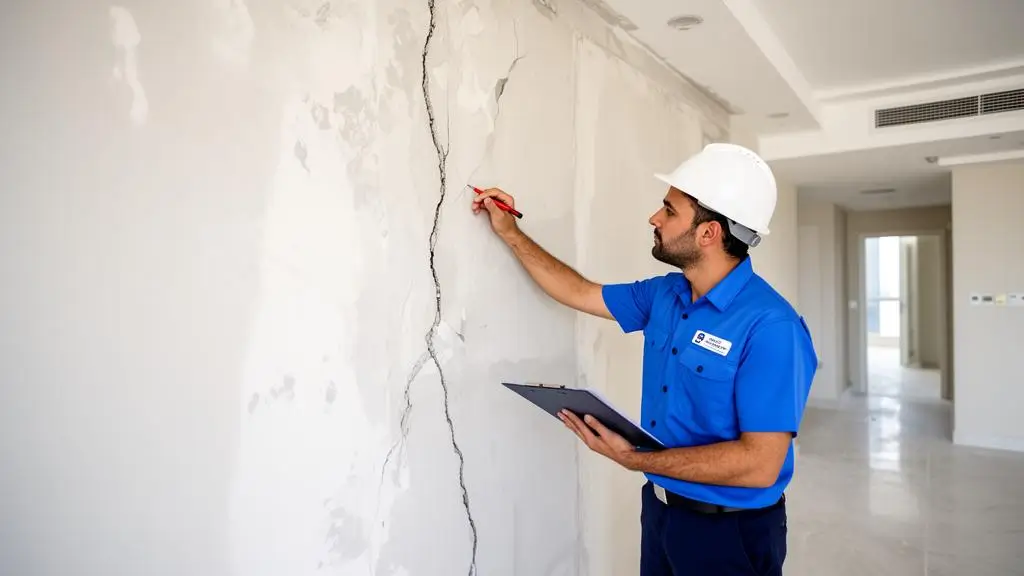
Emaar Snagging Inspection Dubai: Expert Defect Checks Updated 8 October 2026Checklist9 min read An Emaar snagging inspection is a room-by-room check of your new home, done before you sign the handover certificate, to find every defect and make Emaar fix it at no cost to you. Emaar is known for quality, from Dubai Hills Estate to Arabian Ranches and Dubai Creek Harbour, but even the best developers hand over homes with snags. Once you sign, that leverage is gone. Emaar handover at a glanceBuyer notes Handover window Typically 30 days from the notice Liability after handover 1 year finishing, 10 years structural Cost if missed AED 15,000 to AED 40,000+ out of pocket Dubshy inspections From AED 499 In this guide What the inspection is Why it matters for Emaar homes Area-by-area checklist DIY vs professional After you submit the snag list How Dubshy helps FAQs This guide covers what an Emaar snagging inspection includes, what to look for in each part of the property, and why getting it right first time protects your investment for years. What Is an Emaar Snagging Inspection in Dubai? A snagging inspection is a thorough check of your newly built home to capture every deviation, defect and unfinished item before you formally accept handover. Emaar issues a handover notice once the building receives its completion certificate. You typically have a 30-day window to finish handover formalities, including the inspection, final payments and title deed issuance. That is tight, so snagging has to happen inside it. A snagging report is the formal result: a documented list of every issue found, with photos, locations and descriptions, submitted to Emaar for rectification. Why Does Snagging Matter More in Emaar Properties? Emaar builds at scale. Communities such as Downtown Dubai, Emaar South, Emaar Beachfront and Dubai Hills Estate hand over thousands of units over time. Even when construction meets standards, that volume means finishing defects appear. The most common issues found in Emaar communities are: Paint surface damage and irregularities on walls and ceilings. Uneven cooling in bedrooms, or AC misalignment. Sealant gaps around tubs, showers and vanities. Loose wardrobe handles, and misaligned doors and cabinet hinges. Pooling water in bathrooms from a poor floor slope. Faulty electrical sockets and non-working light switches. Balcony slope errors and blocked drainage. Window seal gaps causing noise or air leakage. Under Dubai law, developers are responsible for structural defects for 10 years and finishing defects for 1 year after handover. If you miss defects during the Defect Liability Period (DLP), repairs come out of your own pocket, typically AED 15,000 to AED 40,000 or more. Collecting Emaar keys soon? book an Emaar inspection The Emaar Snagging Checklist, Area by Area Carry this checklist on your walkthrough. It covers every major area of your property. Structural elements and walls Check all walls for cracks, dents, bulges and uneven surfaces. Look for paint runs, patchwork and differences in finish or gloss. Tap wall tiles: a dull sound means the tile is not bonded well. Check corners and edges for sharp edges and chipped plaster. Check ceiling paint is even and free of hairline cracks. Flooring and tiles Walk every room for loose, creaking or uneven tiles. Look for gaps, cracks and colour variation in tiles and grout. Look for lippage, where one tile sits higher than its neighbour. On wood or laminate, check for gaps, swelling and scratches. Check skirting boards are tight, intact and meet the floor. Doors and windows Doors open and close freely, with no sticking or dragging. Check door alignment, and that latches and locks work. Window handles, locks and hinges move easily. Window seals have no gaps, which let in noise, dust and moisture. Fly screens, if included, are not torn and fit correctly. Kitchen Test cabinet doors and drawers for smooth movement and alignment. Run all taps and check under the sink for leaks. Turn on the extractor hood and test every hob burner. Check countertop edges for chips, uneven joints and silicone gaps. Check backsplash tiling for grout issues and hollow tiles. Test any built-in appliances included in the handover. Bathrooms Bathrooms account for the most snagging items in Dubai apartments, roughly 35% of all defects, so take extra care here. Fill the bathtub or sink and drain it: it should empty fully within 3 minutes. Pour 2 litres of water near the shower: it should flow to the drain, not pool. Check sealant lines around the bathtub, shower tray, vanity and toilet base. Check the exhaust fan runs and pulls air outward. Test the toilet flush, and check for rocking or instability. Check the mirror, towel rails and toilet paper holder are firmly fixed. Run the shower and check water pressure and temperature stability. Electrical and lighting Test every power socket with a plug-in tester or a phone charger. Switch every light on and off, watching for flickering or dead lights. Check the doorbell and intercom work. Check the distribution board (DB) is labelled and every breaker is mapped. Look for exposed wiring, unfinished conduit and missing socket covers. AC and ventilation (HVAC) Run the AC in each room and check it reaches the set temperature. Check airflow direction and volume from all vents. Look for misaligned ducts, rattling grilles and gaps around vent covers. Check the AC remotes are provided and working. Listen for unusual noises while the AC runs. Balcony and outdoor areas Check the slope: water should drain away from the unit, not pool. Check the railing is stable, with no movement, rust or paint chips. Look for cracked balcony tiles or waterproofing issues. Test the balcony door for smooth operation and proper sealing. Check outdoor light fixtures and sockets, if fitted. Parking and common areas Visit your parking bay and check the markings and lighting. Test your parking remote or access card at the gate. Check lobby finishes, lift operation and corridor lighting. Check the mailbox number matches your unit. DIY Inspection vs Hiring a Professional: Which Is Right for
DLP Inspection Dubai — Act Before Your Warranty Expires
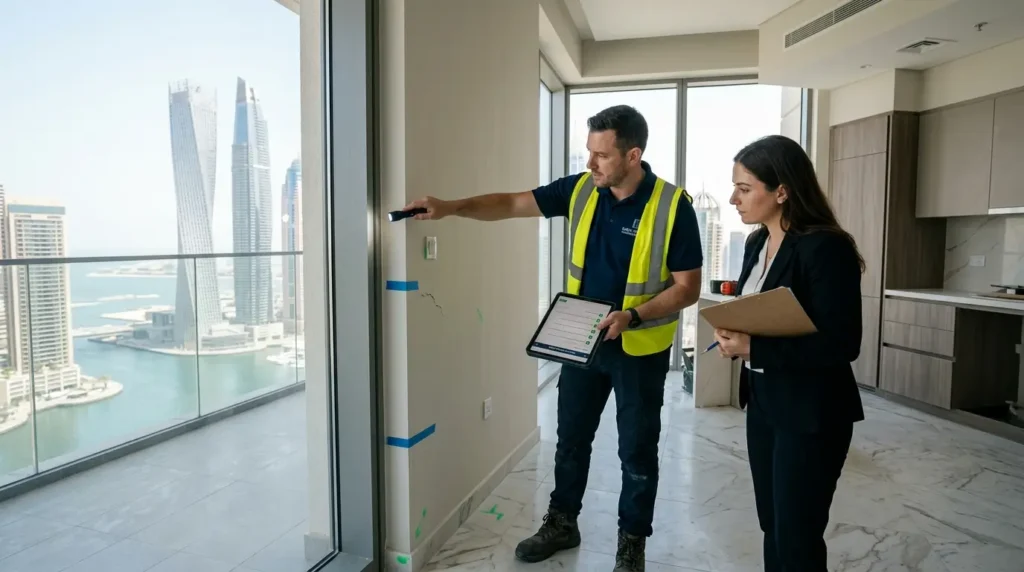
DLP Inspection Dubai: Act Before Your Warranty Expires Updated 8 October 2026DLP Guide9 min read A DLP inspection in Dubai is a professional property inspection carried out before your Defect Liability Period ends. During the DLP, the developer must fix defects at no cost to you. Once it closes, every hidden leak, faulty circuit and repair becomes your own expense, so this is your last chance to hold the developer accountable. DLP at a glanceDubai Non-structural defects At least 1 year from handover Structural defects Up to 10 years from completion Best time to book 2 to 3 months before DLP ends Inspection from AED 499 In this guide Understanding the DLP If you miss the deadline What an inspection covers How the process works When to book Cost Why choose Dubshy FAQs You have lived in your new Dubai property for almost a year. A crack in a wall corner, a room that does not cool properly, a dripping tap: you keep telling yourself you will get to it. Then you notice the date in your Sale and Purchase Agreement (SPA), and your DLP is about to expire. At Dubshy, we have completed over 15,000 inspections across Dubai and Abu Dhabi. Our RERA-approved, DED-licensed and InterNACHI-certified engineers know what to look for, and what developers hope you will not notice before the clock runs out. Understanding the Defect Liability Period in Dubai Before booking a DLP inspection, it helps to know exactly what the law covers and what it does not. How long is the DLP in Dubai? Under UAE Law No. 6 of 2019 and RERA regulations, the periods are: Defect type Period Examples MEP and finishing At least 1 year from the official handover date Plumbing, AC systems, electrical circuits, finishes and fixtures Structural Up to 10 years from completion Cracks in load-bearing walls, foundation issues, extensive water ingress MEP and finishing defects are covered if they occur and are reported within 12 months. Structural issues have a much longer window, but they still need to be properly documented to pursue. When does the DLP start? This is where many owners go wrong. The DLP begins on the official handover date from your developer. It does not start on the day you collected the keys, moved in or had furniture delivered. Confirm the actual start date in your SPA or with your developer. What does the DLP cover? The DLP covers defects caused by the developer’s workmanship or materials, including: Plumbing leaks and drainage failures. Electrical faults and wiring issues. AC system malfunctions and duct problems. Cracked or hollow tiles. Peeling, bubbling or uneven paint. Misaligned or poorly sealed doors and windows. Waterproofing failures on balconies and terraces. MEP systems that do not work to Dubai Municipality standards. What is not covered Normal wear and tear, damage caused by the homeowner, and modifications made after handover are not covered. What Happens If You Miss the DLP Deadline? Letting your DLP expire without an inspection is very common, and the consequences are serious. Owners who skip it often find hidden defects only after the warranty has ended, facing repair bills of AED 30,000 to over AED 60,000 for issues the developer would have fixed for free months earlier. Typical problems that surface after the DLP closes: Condensation and mould. Growing inside ceilings from AC duct leaks that were never sealed properly. Water seepage. Through balcony or terrace waterproofing failures, often visible only in Dubai’s brief rainy season. Weak AC performance. Underperforming in peak summer because ducts were never balanced or insulated correctly. Electrical faults. Appearing only under full household load, with several appliances running at once. Worsening cracks. Structural cracking that grows over time, especially on sandy or reclaimed ground. Once the DLP has expired, you generally have no recourse against the developer for non-structural defects like these. When the window closes, you pay. Is your DLP end date getting close? book a DLP inspection What Does a Professional DLP Inspection in Dubai Cover? A DLP inspection goes further than a pre-handover check. By now the property has been lived in, its systems have run under real daily load, and the UAE’s climate, with summer temperatures reaching 45°C and humidity peaks in late summer, has stressed every component. Dubshy’s RERA-certified engineers run a 400+ checkpoint inspection covering: Structural and civil Wall and ceiling cracks, new or worsened since handover. Floor level tolerances, uneven surfaces and settlement. Balcony and terrace structural integrity. Plumbing and waterproofing Hidden leaks under flooring and inside walls. Water pressure testing throughout the property. Drainage slope checks, since poor drainage causes long-term water damage. Bathroom and kitchen waterproofing. Balcony drainage and waterproofing seals. AC and HVAC systems Cooling performance after months of real-world use. Thermal imaging to detect duct leaks that cause hidden condensation. Airflow balance across all rooms. Fan coil unit and thermostat performance. Electrical systems Full circuit load testing under realistic household conditions. Socket, switch and wiring safety checks. Circuit breaker and fuse performance. Fire safety system functionality. Finishing and interior Hollow tile detection using specialised tools. Paint and plastering defects: peeling, bubbling and cracking. Door and window sealing, alignment and locks. Kitchen and bathroom fittings, including cabinetry, fixtures and drainage. Previous developer fix verification This is unique to DLP inspections. We check every defect your developer claimed to have fixed during the first year, to confirm the repairs were completed to standard and not just superficially patched. How the Dubshy DLP Inspection Process Works Book your inspectionUse our online booking form or WhatsApp. Tell us the property type, location and approximate DLP expiry date. We confirm within 2 hours. Our engineer arrivesOn time, with thermal cameras, moisture meters, level gauges and AI-assisted inspection tools. RERA and InterNACHI certified, with no guesswork and no visual-only checks. 400+ point inspectionEvery critical system is evaluated, both what has developed since you moved in and every fix the developer claimed to have completed. Report in 24 to 48 hoursYou receive a high-resolution photo report with
How Much Does Property Snagging Cost Dubai? (2026 Prices)
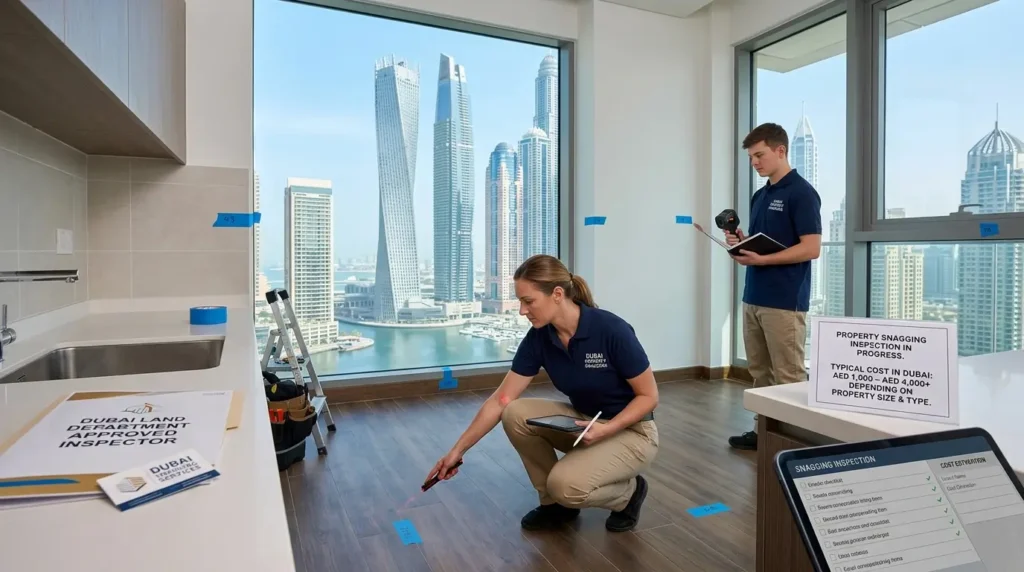
How Much Does Property Snagging Cost in Dubai? (2026 Prices) Updated 8 October 2026Pricing Guide8 min read Property snagging in Dubai costs from AED 499 for a studio or small apartment, up to AED 5,000 or more for a large villa. Buying a home here is one of the biggest financial decisions of your life, and you should receive exactly what you paid for, whether it is an apartment in Business Bay or a villa in Dubai Hills Estate. Snagging cost at a glance2026 prices Starting price From AED 499 Large villa AED 3,500 to AED 5,000+ Checkpoints 400+ in a professional inspection Report delivery Within 24 hours In this guide What property snagging is 2026 prices What affects the cost What should be included Common defects found Is it worth the cost? Why choose a RERA-approved company When to book FAQs This guide breaks down the 2026 prices, the factors that move them, and what you should get for your money. It also explains why skipping this step is one of the most expensive mistakes a Dubai buyer can make. What Is Property Snagging in Dubai? Property snagging is a professional inspection of a newly built or recently handed-over property. A qualified inspector, ideally a RERA-approved, certified civil engineer, checks the whole property and records every defect, fault and incomplete item. You receive a detailed snagging report to share with your developer so the snags can be fixed. Developers in Dubai carry a one-year Defect Liability Period (DLP) after handover, during which construction defects must be resolved. A proper snagging inspection is your tool for holding them to it. How Much Does Property Snagging Cost in Dubai in 2026? The price depends mainly on the size and type of the property. These are typical 2026 market prices: Property type Typical price Studio / 1-bedroom apartment AED 499 to AED 1,800 2-bedroom apartment AED 1,500 to AED 2,500 3-bedroom apartment AED 1,800 to AED 3,000 Townhouse (3 to 4 bedrooms) AED 2,500 to AED 4,000 Villa (4+ bedrooms) AED 3,500 to AED 5,000+ If your property is unusual or the scope is larger, ask for a custom quote. At Dubshy, inspections start from just AED 499, making professional, RERA-approved snagging accessible to every type of buyer. The lowest price is not always the right choice What matters is what the price covers. Some companies advertise a low fee but deliver only a basic visual walk-through. What Factors Affect Property Snagging Cost in Dubai? No two properties or inspections are the same. These are the main factors: Property size. Larger properties take longer. A 600 sq ft studio needs far fewer checks than a 4,000 sq ft villa. Many companies charge about AED 0.50 to AED 1.50 per sq ft, or price by property type. Number of wet areas. Every bathroom, kitchen, laundry room and balcony with drainage must be tested separately for waterproofing, plumbing and water pressure. More wet areas mean more time and more potential defects. Type of inspection. Each type has a slightly different scope, which can affect the price (see below). Inspection depth and technology. A basic visual check catches surface issues; a full technical inspection finds far more (see below). Inspector credentials. A RERA-approved company with InterNACHI-certified engineers charges more than an unqualified inspector, but the quality of the report, and the confidence it gives you, is not comparable. Three types of snagging inspection in Dubai Pre-handover inspection. Done before you accept the keys from the developer. DLP inspection. Done near the end of your Defect Liability Period to capture defects before the warranty expires. Secondary market inspection. Done when buying a resale property, to assess its true condition. What a full technical inspection adds Thermal imaging to detect hidden moisture, leaks and insulation failures. Electrical polarity and grounding tests. AC performance and airflow measurement. Water pressure testing across all outlets. The more thorough the inspection, the higher the value, and sometimes a slightly higher price. Want an exact quote for your property? get a quote What Should Be Included in a Professional Snagging Inspection? This is where many buyers get caught out. Before booking, always confirm what the price includes. A proper inspection in Dubai should cover: 400+ checkpoints. Structure, MEP systems (mechanical, electrical and plumbing), finishes, fixtures, waterproofing, windows and doors. Photos of every defect. High-resolution, with clear annotations. A detailed report within 24 hours. Formatted for submission to the developer. Severity ratings. So you know what needs urgent attention. Free re-inspection. After the developer completes repairs, to confirm everything was fixed properly. At Dubshy, every one of these is included as standard, with no hidden add-ons and no surprise charges after the inspection. You can see how findings are recorded in our snagging report. Common Defects Found During Property Snagging in Dubai Knowing what inspectors usually find shows why the service is valuable. Across our inspections in Dubai, the most frequently documented defects include: Tiles with holes or cracks on floors and walls. Hairline cracks in walls and ceilings, which may indicate structural settlement. Plumbing leaks or low water pressure. Poor waterproofing in bathrooms and balconies. Faulty electrical outlets and wiring. Misaligned doors and windows that do not close well. AC units that under-perform or are poorly installed. Incomplete paintwork and poor finishing at corners and edges. Grout gaps and uneven tile laying. Defective or loose fixtures and fittings. In a typical Dubai apartment, our engineers find 40 to 80 defects on average, and in larger properties the number can exceed 150. The developer is legally responsible for fixing all of them, but only if they are documented during the DLP. Is Property Snagging Worth the Cost? Take a 2-bedroom apartment in Dubai Hills Estate worth AED 1.8 million. A professional inspection costing AED 1,800 to AED 2,500 is roughly one-tenth of one percent of the home’s value. Now compare typical repair costs if problems go unnoticed: Undetected problem Typical repair cost Wall damage from one plumbing leak AED 15,000 to AED
Common Defects Dubai New Build Homes – Don’t Miss These
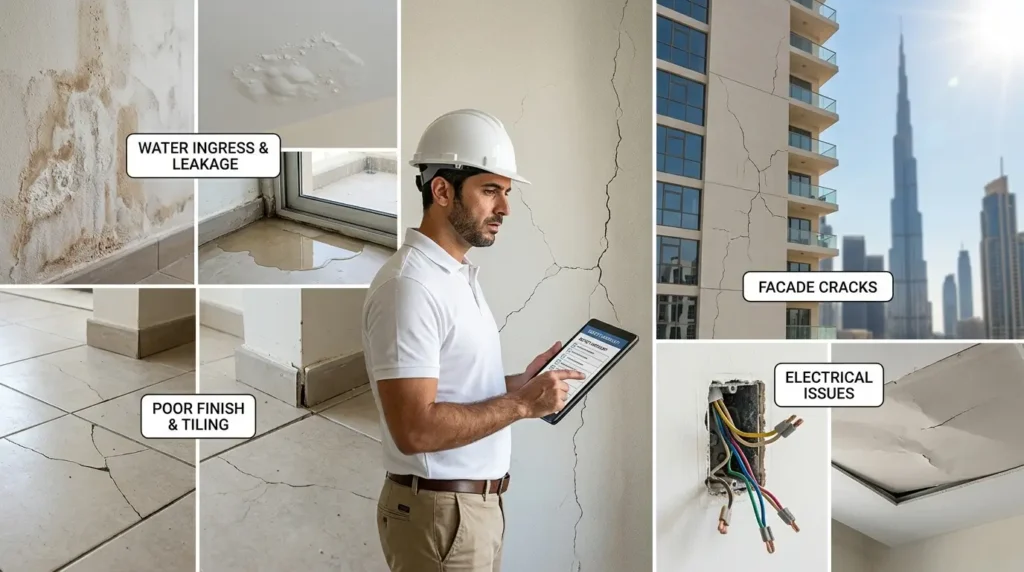
Common Defects in Dubai New Build Homes: Don’t Miss These Updated 8 October 2026Defects Guide8 min read Getting the keys to a brand-new Dubai apartment is thrilling, but most buyers miss dozens of hidden defects, even at handover, in developments across Downtown Dubai, Dubai Marina and Business Bay. 2026 inspection data shows a one-bedroom apartment averages 45 to 75 defects, and a two-bedroom can have up to 90. Anything missed before you move in becomes yours to fix. New build defects at a glance2026 inspection data One-bedroom apartment 45 to 75 defects on average Two-bedroom apartment Up to 90 defects Non-structural cover 1-year Defect Liability Period Structural cover 10 years (decennial liability) In this guide What snagging is and why it matters The 10 most common defects Why not self-inspect How Dubshy can help FAQs That is exactly why snagging inspections exist. This guide covers the 10 defects most often found in Dubai’s new build apartments, what causes them, why they matter, and how to make sure they are corrected before you sign for handover. What Is a Snagging Inspection, and Why Does It Matter in Dubai? A snagging inspection is a professional, room-by-room check of your new home before or at handover. A certified inspector examines every surface, system and fitting, and records anything that falls short of Dubai’s construction quality standards. Under UAE law, defects reported during the one-year Defect Liability Period (DLP) after handover must be resolved, and the UAE Decennial Liability Law extends developer liability for structural defects to 10 years. Miss these windows and you lose your legal right to free rectification. This is not just about looks. Snagging issues affect your safety, comfort, energy bills and long-term property value. The 10 Most Common Defects in Dubai New Build Apartments 1. Paint defects and poor wall finishing This is the most reported defect in Dubai’s new-build market and shows up in virtually every inspection. Buyers often accept poor paint as “minor”, but it is a strong sign of overall workmanship. Uneven coverage, with patchy or streaky sections. Paint drips, roller marks and overspray on ceilings. Cracked or hollow plaster beneath the paint. Wrong paint colour or finish in certain rooms. Flaking paint near windows and bathroom edges from poor preparation. These are quick to fix when reported during the DLP. If you move in without flagging them, they become your expense. 2. Tile lippage, hollow tiles and cracked flooring Tiling is one of the more skilled finishing jobs, and Dubai inspections often find significant problems. Lippage is when one tile edge sits higher than its neighbour, which is a tripping hazard as well as a messy finish. Hollow tiles have air pockets underneath from poor bonding. They crack under foot traffic, absorb water and can eventually pop up, damaging surrounding tiles. Watch for: A hollow sound when tiles are tapped. Visible height differences between tiles. Cracks at grout lines or tile edges. Loose tiles in wet rooms such as bathrooms and kitchens. 3. Plumbing leaks and water pressure problems Plumbing faults are among the costliest problems in new construction. A drip under a sink or a leaking pipe joint can cause serious water damage, mould and structural harm within months. Low water pressure is also a common complaint, often caused by undersized pipes, poorly set fixtures or a failed pressure regulator. Leaks under kitchen and bathroom sinks. Sanitary fittings that are not tightly fitted or sealed. Blocked drains and slow-running fixtures. Faulty toilet flushing systems. Missing or poor waterproofing in wet areas. 4. HVAC and air conditioning faults In Dubai, air conditioning is a necessity for roughly nine months of the year, yet HVAC defects are among the most reported and most expensive to fix after handover. One documented case in Dubai Marina involved a faulty AC drainage system that caused AED 12,000 of internal masonry damage before anyone noticed. AC units sized incorrectly for the room. Blocked or poorly installed condensate drainage lines. Poor ductwork insulation, causing energy loss. Units that fail to reach the set temperature. Noise, vibration or uneven airflow from indoor units. A certified AC inspection, like the one Dubshy provides, tests every unit under load to catch these issues before handover. Want an engineer to check all 10 areas for you? book a snagging inspection 5. Electrical faults and non-compliant wiring Electrical defects are more common than buyers expect, and some carry real safety risks. Non-working sockets, wrongly labelled breakers, loose switches and faulty light fixtures turn up regularly. More serious issues include: Exposed or incorrectly terminated wiring. Overloaded circuits without adequate protection. Circuit breakers that trip under normal load. Missing or damaged electrical cover plates. Installations that fail UAE DEWA standards. These are not cosmetic. Undetected electrical faults create fire risks and can complicate future sales or tenancies. 6. Door and window misalignment Doors and windows that do not open, close or seal properly are among the most visible quality failures, and they appear in most Dubai snagging inspections. Causes include poor installation, rushed joinery and settlement after construction. Doors that do not close flush or drag on the frame. Loose handles, damaged hinges or faulty locks. Scratched or dented doors from construction traffic. Misaligned window frames that are hard to operate. Broken seals causing condensation between double-glazed panes. Air gaps around frames letting in heat and dust. In Dubai’s climate, a poorly sealed window also raises your cooling costs every month. 7. Structural cracks in walls and ceilings Some cracks matter more than others. Fine hairline cracks along material lines are usually caused by shrinkage and are easy to repair. Larger cracks, especially diagonal ones, cracks along structural joints, or cracks that keep returning after re-plastering, are more likely to signal a serious problem. Dubai’s heat, humidity and fast construction pace often make settlement appear sooner and more visibly than in cooler climates. If you accept a home with known cracks and do not document them, you have very few options if they later prove serious. 8.
RERA Handover Rights Dubai – What Buyers Must Know
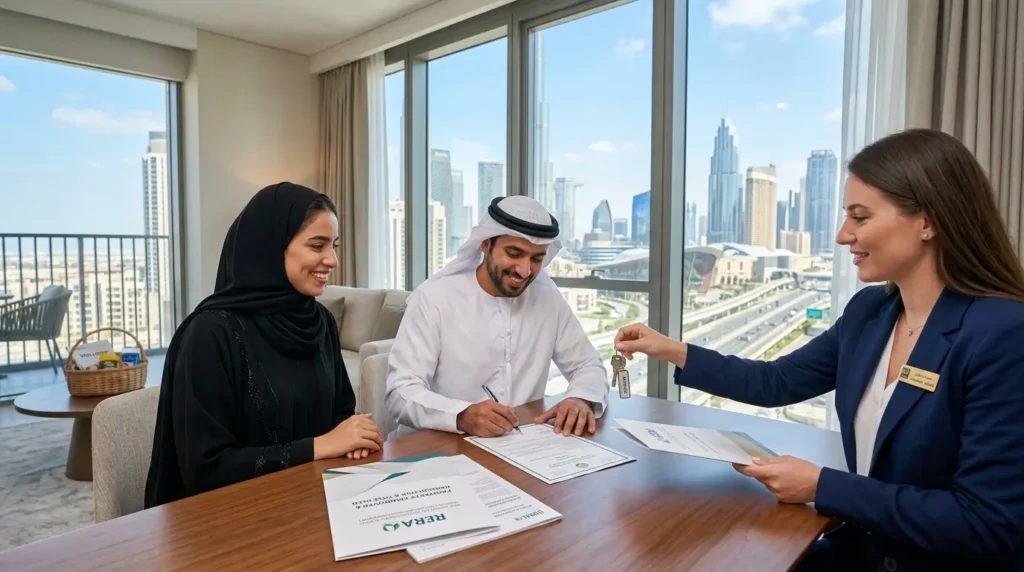
RERA Handover Rights Dubai: What Buyers Must Know Updated 7 October 2026Buyer Guide7 min read Buying property in Dubai is one of the biggest financial decisions you will make. Whether it is an off-plan apartment in Business Bay, a ready villa in Arabian Ranches or a unit in Dubai Marina, handover day is when the purchase becomes real, and also when buyers are most exposed. Knowing your RERA handover rights in Dubai can save you thousands of dirhams. Your handover rights at a glanceRERA / DLD Inspection Before you sign anything Defect Liability Period 1 year non-structural, 10 years structural Final payment Can be withheld until the SPA specs are met Complaints RERA Dubai REST app or DLD website In this guide What RERA is and why it matters Your core handover rights The handover process step by step Why professional snagging matters FAQs Many owners open the unit without inspecting it properly, sign the handover certificate too early, and miss the window in which the developer must fix defects free of charge. This guide explains what you are entitled to, so you can avoid that. What Is RERA, and Why Does It Matter at Handover? The Real Estate Regulatory Agency (RERA) was created under the Dubai Land Department (DLD) to oversee Dubai’s property sector. It regulates developers, brokers and property management firms, and protects buyers from the planning stage through to completing the purchase. At handover, RERA sets the rules developers must follow when delivering a finished unit, defines the quality standards the property must meet, and provides a dispute process if things go wrong. The main laws behind your protection are: Law What it covers Law No. 13 of 2008 The Interim Real Property Register (Oqood) for off-plan properties Law No. 8 of 2007 Escrow accounts for real estate development Law No. 6 of 2019 Ownership and defect liability in jointly owned properties UAE Civil Code (Federal Law No. 5 of 1985) The wider legal framework for contracts and warranties Together, these laws form a strong safety net for Dubai buyers, and one that many buyers do not know exists. Your Core RERA Handover Rights in Dubai When the developer tells you the property is ready, your rights apply straight away. Here is what you are legally entitled to. The right to inspect before signing You do not have to sign a handover certificate or keys release form before inspecting your unit. A developer cannot force you to accept a property that falls short of the specifications in your Sale and Purchase Agreement (SPA). This is one of the most important buyer rights, and one of the most often overlooked. Inspecting first protects your legal position. The right to a defect-free property Under RERA rules, the developer must deliver the property to the specifications in the SPA. Any defect, unfinished work or poor finish found before handover must be fixed at the developer’s cost. Common handover issues include: Walls. Cracks or uneven plastering. Paintwork. Patchy, dripped or mismatched colours. Electrical. Faulty or unfinished sockets, switches and fittings. Plumbing. Leaking pipes, drainage problems or low water pressure. Equipment and HVAC. Appliances or air conditioning that do not work or are badly installed. Doors and windows. Misaligned doors, broken-seal windows and damaged frames. Flooring. Uneven or cracked tiles and hollow spots. Kitchens and bathrooms. Incomplete or poorly finished work. The right to a Defect Liability Period (DLP) Your protection does not end when you accept the keys. Developers in Dubai carry a mandatory Defect Liability Period: Defect type Period What it covers Non-structural 1 year Mechanical, electrical, plumbing and finishing issues, from the building completion certificate date (Law No. 6 of 2019) Structural 10 years Major structural failures, under the decennial liability in Article 880 of the UAE Civil Code If a construction defect appears within these periods, and it is not caused by misuse, the developer must fix it at no cost to you. The right to withhold the final payment You can hold back your final instalment until the property meets the specifications in your SPA. It is one of the strongest tools buyers have. Do not make the final payment until you are fully satisfied and every identified snag has been dealt with. The right to Oqood-to-Title Deed conversion For off-plan buyers, your first registration is an Oqood certificate. Once all payments are complete and the developer issues a No Objection Certificate (NOC), the DLD converts it into a permanent Title Deed. This is your final proof of ownership, and you are entitled to receive it as part of handover. The right to file a RERA complaint If a developer fails to fix defects, delays delivery without good reason, or hands over a property that does not match your SPA, you can file a formal complaint with RERA through the RERA Dubai REST app or the DLD website. In serious cases RERA can order repairs, compensation or even cancellation of the project. Not sure what to look for before you sign? book a snagging inspection The Handover Process Step by Step Knowing the process helps you move through each stage with confidence and avoid missing anything important. Completion notice from the developerThe developer receives the Building Completion Certificate and tells you the unit is ready. Most SPAs allow a 30-day window to complete handover formalities. Professional snagging inspectionSign nothing until a RERA-approved snagging company has inspected the unit. The report lists every defect, snag and poor finish. Submit the snag report to the developerGive the developer the documented list within the stated time. Valid defects should be rectified before the keys are handed over. De-snagging inspectionOnce repairs are done, go back and check that every item was fixed properly. Do not skip this step. Sign the Handover CertificateOnly sign the Handover Certificate or Keys Release Form once you are fully happy with the property. It records your acceptance. Receive keys and register utilitiesYou get the keys, access cards and appliance warranties. Then register your utility meters,